Led by our Principal Investigator Dr. Jonathan Lee as the correspondent author, the publication Survey on the perceptions of Asian endoscopists to artificial intelligence presents findings from an international survey spanning multiple Asian countries. It delves into Asian endoscopists' views on AI in their field, uncovering insights that can shape the integration of AI tools in endoscopic practices across the region. These insights contribute to advancing AI - driven solutions in gastrointestinal care.
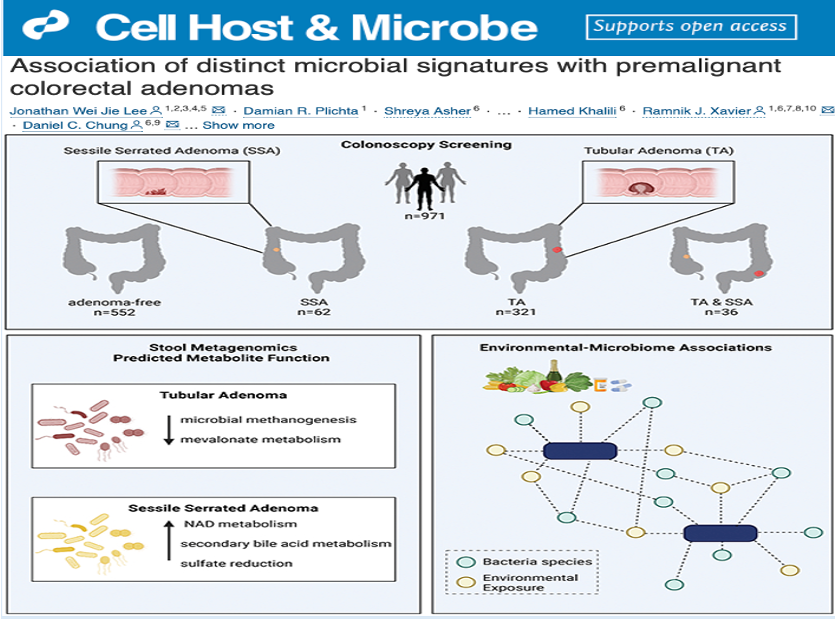
Our lab is proud to highlight a significant publication in Cell Host & Microbe with Dr. Jonathan Lee as first author, produced during his tenure in the United States. In this study, Dr. Lee and his team discovered that the microbial signatures associated with sessile serrated adenomas (SSAs) and tubular adenomas (TAs) are distinct. These findings suggest that the unique dependencies of each premalignant lesion may be targeted therapeutically or through dietary intervention.
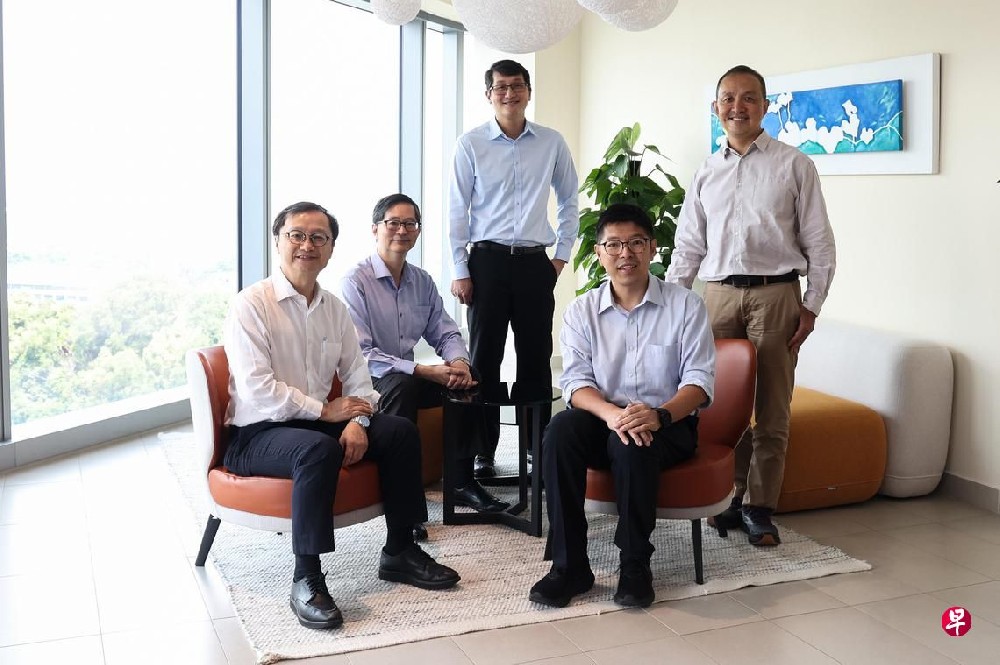
Dr Jonathan Lee, together with a team of clinicians from National University Hospital (NUH), Duke-NUS, Singapore General Hospital (SGH), National University Cancer Institute, Singapore (NCIS), and the National Cancer Centre Singapore (NCCS), has secured $25 million in funding from the National Medical Research Council (NMRC) for a five-year research programme. The team aims to develop AI-driven tools for the prevention, early detection, and treatment of gastric cancer.
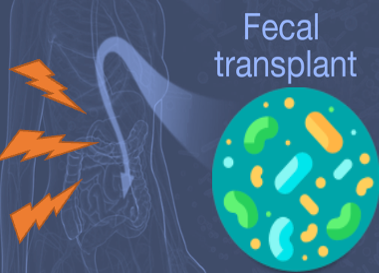
Our work explores the therapeutic potential and mechanisms of fecal microbiota transplantation to restore gut microbial balance and treat gastrointestinal disorders.
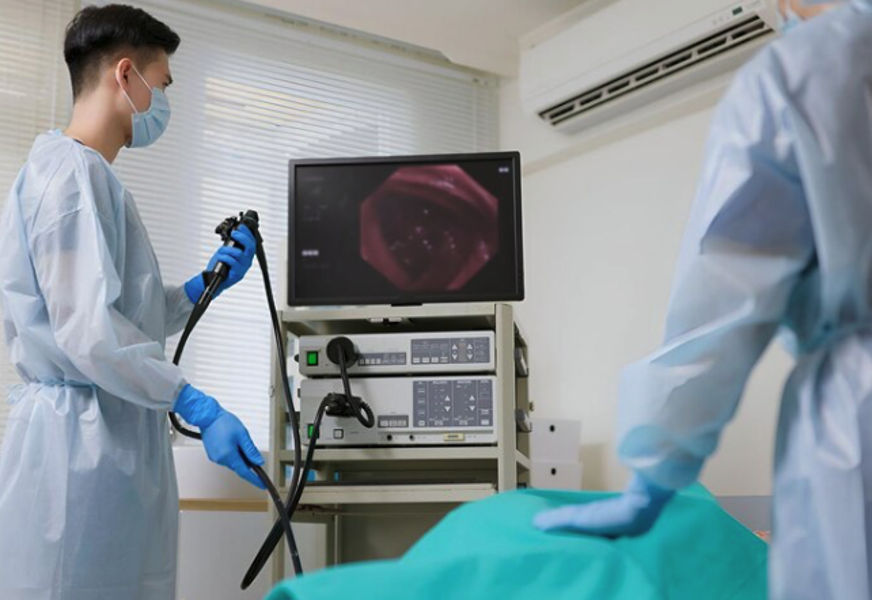
We leverage artificial intelligence to enhance endoscopic imaging and diagnostics, enabling more accurate detection and characterization of gastrointestinal diseases.

Our research aims to advance understanding of the gut microbiome by employing cutting-edge techniques to analyze and characterize microbial communities and their impact on health.